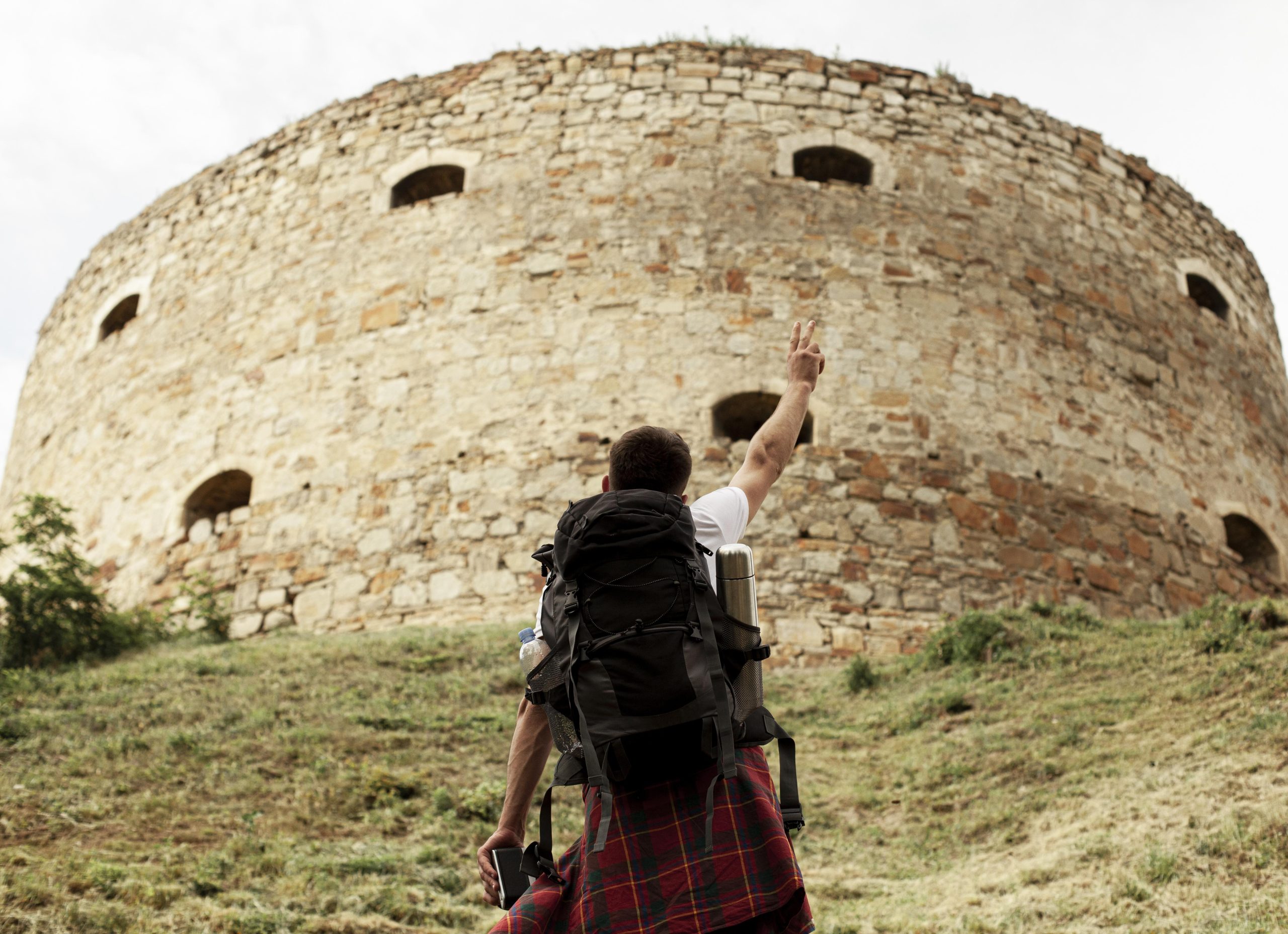
Introduction: 10 Breathtaking Destinations You Need to Discover Now.
Let’s be real—there’s a well-known version of Europe that everyone is familiar with. The long lines for selfies at the Eiffel Tower, the steep gondola fares in Venice, and the crowded views at Santorini’s caldera all fit this image. While undeniably beautiful, this is just the surface.
If you delve deeper, you’ll discover a continent filled with true hidden treasures. These are places where locals outnumber visitors, the cuisine remains authentic and unaltered for tourists, and the views from your breakfast spot don’t come with a hefty price tag.
This guide explores 10 of Europe’s most remarkable hidden gems—locations that are underrated, less traveled, and truly unforgettable. Whether you’re a solo traveler, a couple seeking a romantic getaway, or a family looking for a more enriching experience than a typical theme park, these destinations will transform your perspective on European travel.
Why Hidden Gems in Europe Are the Future of Smart Travel
Over-tourism has transitioned from being a trendy term to a genuine reality. In 2026, travelers increasingly seek out sustainable travel experiences in Europe that enable them to engage authentically with a location, rather than merely navigate through a crowded, restricted area alongside hundreds of others. This approach goes beyond just comfort — it also emphasizes the significance of impact.
When you opt for a less popular destination instead of an overcrowded one, you:
- Support local economies that genuinely benefit from tourism
- Experience lower prices across accommodation, food, and activities
- Get access to places that feel lived in, not curated for Instagram
- Reduce your contribution to the environmental strain on over-visited sites
- Come home with stories nobody at the dinner table has already heard
The good news? Europe’s map is enormous, and its overlooked corners are plentiful. Here’s where to start.
The Best Hidden Gems in Europe You Must Visit Before Everyone Else Does
GEM #01 — Matera, Italy: Europe’s Most Ancient Hidden Gem
Matera is a UNESCO World Heritage site intricately carved into the steep cliffs of the Basilicata region, and it ranks among the oldest cities that have been continuously inhabited on the planet. As you stroll through its narrow stone pathways, you aren’t merely sightseeing — you are traversing through millennia of human history.
The renowned Sassi di Matera — cave homes that have been transformed into boutique hotels, eateries, and art galleries — create a scenery that resembles a dream rather than a typical travel destination. Once viewed as a shameful place by the Italian government, Matera is now celebrated as one of the continent’s most subtly captivating locations.
- Best for: History lovers, architecture enthusiasts, couples
- Best time to visit: April–June or September–October
- Don’t miss: Staying in a Sassi cave hotel for at least one night
- Nearest airport: Bari (60km away)
GEM #02 — The Faroe Islands, Denmark: Wild, Remote, and Unforgettable
If you wish to experience a sense of having ventured beyond the known world, the Faroe Islands present a series of rugged, mist-laden isles situated between Iceland and Norway. Towering cliffs fall steeply into the steel-grey waters. Villages with grass roofs cling to the slopes. Puffins significantly outnumber the local population. Reaching these islands requires effort — and that effort is precisely what makes them feel so uncharted.
Hike to Sørvágsvatn, a lake that seems to float mysteriously above the sea. Discover the small village of Gjógv, which has only around 50 inhabitants. Navigate through underwater tunnels that link the islands. The Faroes may not provide luxury — they grant something far more precious: true wonder.
- Best for: Nature lovers, hikers, photographers, those seeking solitude
- Best time to visit: May through August for golden evening light
- Don’t miss: Sørvágsvatn Lake, the village of Saksun, puffin colonies at Mykines
- Getting there: Fly via Copenhagen or Reykjavik
GEM #03 — Kotor, Montenegro: A Medieval Hidden Gem on the Adriatic
Tucked inside a dramatic bay surrounded by limestone mountains, Kotor is a medieval jewel on Montenegro’s Adriatic coast that most European travelers still walk straight past in favour of Dubrovnik next door. That’s a genuine mistake. Kotor’s walled old town is one of the best-preserved in all of southern Europe, and the surrounding Bay of Kotor has a moody, fjord-like beauty that feels nothing like the Mediterranean.
Climb the 1,350 steps to the fortress above the city at sunset and you’ll understand why Montenegro is quickly becoming one of the continent’s most-talked-about destinations — even if it’s still far from overcrowded.
- Best for: History buffs, hikers, architecture lovers, couples
- Best time to visit: May, June, or September
- Don’t miss: The fortress hike, Perast village, Lady of the Rocks island church
- Nearest airport: Tivat (5km) or Podgorica (90km)
GEM #04 — Trieste, Italy: The Austro-Hungarian Hidden Gem on the Adriatic
Situated along Italy’s Adriatic coast, Trieste is a city that embodies a European essence in every direction. Formerly part of the Austro-Hungarian Empire, it showcases a mix of Viennese coffee culture, Italian hospitality, and Slovenian influences. Picture seaside piazzas, literary cafés, and impressive 19th-century architecture — all without a single line to enter.
Essentially, it offers a cultured, uncrowded alternative to Venice, which the residents recognize. Trieste boasts one of the most unique coffee cultures in Italy (the espresso experience here differs significantly from the rest of the nation), and its location on the Adriatic makes it a perfect launching point for discovering both Slovenia and Croatia.
- Best for: Culture lovers, foodies, literary travellers
- Don’t miss: Caffè degli Specchi, Miramare Castle, the Karst plateau
- Best time to visit: April–June or September–October
GEM #05 — Český Krumlov, Czech Republic: A Fairy-Tale Hidden Gem
While Prague draws millions of visitors every year, just 170km south lies a medieval town that looks like it was lifted directly out of a Grimm fairy tale. Český Krumlov is a UNESCO-listed marvel of Renaissance and Baroque architecture, wrapped inside a tight bend of the Vltava River. The castle complex towering above the town is the second-largest in the Czech Republic — and on a quiet weekday morning, you can have it almost entirely to yourself.
Kayak the river, wander the ramparts, eat svíčková in a 15th-century cellar. This is what European travel felt like before every charming town got a TripAdvisor badge.
- Best for: Families, history enthusiasts, weekend travellers from Prague
- Best time to visit: May–June or September
- Don’t miss: The castle tower views, the Baroque theatre, kayaking the river
GEM #06 — Dhermi, Albania: Europe’s Last Undiscove
Tucked between the stunning cliffs of the Ceraunian Mountains and the Ionian Sea, Dhermi on Albania’s southern coast is quickly becoming one of Europe’s remaining hidden summer getaways. With its crystal-clear coves, winding cliffside roads, and open-air beach bars that evoke more of a Greek island vibe than that of Eastern Europe—yet at a much lower cost.
In contrast to the more crowded beaches further down the Albanian Riviera, Dhermi still maintains a tranquil, untouched charm. Indeed, the infrastructure is still in the process of developing. But that’s precisely the appeal. This is what Mykonos was like in 1985, and you have the opportunity to experience it now, before it becomes widely known.
- Best for: Beach lovers, budget travellers, adventurous couples
- Best time to visit: June–September
- Don’t miss: Drymades Beach, the old village above the main road, fresh seafood grills
GEM #07 — The Azores, Portugal: Atlantic Hidden Gem of Volcanic Beauty
From volcanic Portuguese islands to serene Dutch waterways, these underrated European destinations represent the future of mindful, sustainable travel — and the Azores sits squarely at the top of that list. This nine-island Portuguese archipelago rising from the mid-Atlantic is unlike anywhere else in Europe: crater lakes, hot springs, whale watching, and lush green landscapes that make you feel like you’ve landed in the tropics, not the EU.
São Miguel, the main island, gives you geysers at Furnas, a crater lake at Sete Cidades, and black-sand beaches — all in one day.
- Best for: Nature lovers, adventure travellers, eco-conscious tourists
- Best time to visit: April–October
- Don’t miss: Sete Cidades, Furnas hot springs, whale watching tours
GEM #08 — Gjirokastër, Albania: A UNESCO Hidden Gem Frozen in Time
Tucked away in southern Albania, Gjirokastër is a UNESCO World Heritage site celebrated for its beautiful stone architecture and charming Ottoman influences. The city features traditional stone houses scattered along the hillsides and cobblestone streets that lead up to Gjirokastër Castle, offering breathtaking views of the Drina Valley that will truly take your breath away.
Gjirokastër is perfect for those who love to travel at a leisurely pace. Spend a few days exploring the old bazaar, checking out the Ethnographic Museum, and enjoying raki with locals at a cozy café where the menu is scribbled by hand and your change comes in coins you may not recognize.
- Best for: History lovers, budget travellers, slow tourism advocates
- Best time to visit: April–June or September
- Don’t miss: The castle, the Ethnographic Museum, the old bazaar
GEM #09 — The Hague, Netherlands: The Underrated Hidden Gem of Dutch Culture
Most visitors to the Netherlands go straight to Amsterdam — but The Hague fulfils two entirely different sets of criteria in one destination. Take a bus or tram from the city centre and within 30 minutes you’re on the wide, sandy beaches of Scheveningen, with surf schools, beach clubs, and cool bars. Come back to the city and you’ve got historic palaces, parliament, world-class galleries, and streets lined with boutiques and independent coffee houses.
It has none of Amsterdam’s stag-weekend chaos and all of the Dutch sophistication.
- Best for: City breakers, art lovers, beach seekers, families
- Best time to visit: May–September
- Don’t miss: Mauritshuis gallery (Vermeer’s Girl with a Pearl Earring), Scheveningen Beach
GEM #10 — Madeira, Portugal: The Atlantic Hidden Gem Garden of Europe
Tucked away in the Atlantic Ocean, Madeira is a hidden gem of Europe—a charming Portuguese island that offers a mix of stunning landscapes, vibrant culture, and generous hospitality. Its dramatic coastlines, verdant levada paths, and charming villages create an atmosphere that feels more like a subtropical expedition than a typical European getaway.
Funchal’s lively markets, remarkable botanical gardens, and delicious local dishes also make it an attractive spot for those who enjoy city life. Furthermore, thanks to Madeira’s mild climate throughout the year, it’s one of the few European locations that is just as appealing in February as it is in July.
- Best for: Hikers, retirees, year-round travellers, foodies
- Best time to visit: Year-round (April–June is ideal)
- Don’t miss: Levada hiking trails, Funchal Old Town, the toboggan ride from Monte
Hidden Gems in Europe: Quick Comparison Guide
| Destination | Country | Best For | Budget Level | Crowd Level | Best Season |
|---|---|---|---|---|---|
| Matera | Italy | History, Architecture | Mid-Range | Low | Apr–Jun, Sep–Oct |
| Faroe Islands | Denmark | Nature, Photography | High | Very Low | May–Aug |
| Kotor | Montenegro | Medieval History, Hiking | Budget | Medium | May–Jun, Sep |
| Trieste | Italy | Culture, Coffee, Architecture | Mid-Range | Low | Apr–Jun, Sep |
| Český Krumlov | Czech Republic | Families, History | Budget | Medium | May–Jun, Sep |
| Dhermi | Albania | Beach, Adventure | Budget | Low | Jun–Sep |
| Azores | Portugal | Nature, Eco Travel | Mid-Range | Low | Apr–Oct |
| Gjirokastër | Albania | Slow Travel, History | Budget | Very Low | Apr–Jun, Sep |
| The Hague | Netherlands | City Break, Art, Beach | Mid-Range | Medium | May–Sep |
| Madeira | Portugal | Hiking, Year-Round | Mid-Range | Medium | Year-Round |
Practical Tips for Discovering Hidden Gems in Europe
1. Travel in the shoulder season
Spring (April–June) and early autumn (September–October) are the golden windows for visiting Europe’s underrated spots — fewer crowds, lower prices, and locals who still have time to stop and talk.
2. Rent a car where possible
Trains and buses are fine for city-to-city travel, but many of Europe’s hidden gems reveal themselves off the main road. A car gives you the freedom to stop when a cliff, a field, or a hand-painted sign calls your name.
3. Stay longer than you think you need to
The best discoveries in any off-the-beaten-path destination happen when you stay long enough for the bakery owner to remember your order. Rush a hidden gem and you’ve missed the point entirely.
4. Learn a few words of the local language
Even in tourist-facing places, a handful of local phrases — a greeting, a thank you, a polite request — transforms how locals receive you. In a small town where English is not widespread, this effort matters enormously.
5. Book accommodation early but stay flexible
In smaller destinations, the best boutique hotels and guesthouses often have only 5–10 rooms. Book the accommodation early, but keep your daily itinerary loose. The best moments in any hidden gem are unplanned.
Pro Traveller Tip: When researching hidden gems in Europe, cross-reference travel blogs, local tourism boards, and recent Reddit threads. The most honest assessments come from people who visited in the last 12 months.
What Makes a Place a True Hidden Gem in Europe?
Not every quiet town is a hidden gem, and not every hidden gem stays hidden forever. The places on this list share a few qualities that go beyond simply being “less visited.” They have:
- Authentic cultural identity — local food, local rhythms, local architecture that hasn’t been homogenised for tourism
- Natural or historical significance — something genuinely remarkable that justifies the journey
- A sense of place — the feeling that you couldn’t be anywhere else in the world
- Human scale — small enough that you engage with it rather than simply observe it
- Breathing room — physical and psychological space to slow down and actually be somewhere
The best hidden gems in Europe don’t just offer a change of scenery. They offer a change of pace — and sometimes, a change of perspective.
Hidden Gems in Europe: Frequently Asked Questions
Are Europe’s hidden gems still undiscovered in 2026?
Many of them, yes — though “undiscovered” is relative. Places like Matera and Kotor have grown in profile over the past decade, but they remain far quieter than their mainstream counterparts. The Albanian Riviera, in particular, is still genuinely off-the-radar for most Western European travellers.
What is the most underrated country in Europe for hidden gems?
Albania. Full stop. Between Gjirokastër, Dhermi, the Blue Eye spring, and the emerging art scene in Tirana, Albania offers more authentic, crowd-free experiences per square kilometre than almost anywhere else in Europe — at significantly lower prices.
How do I avoid turning a hidden gem into an overtouristed destination?
Travel in shoulder season, stay in locally-owned accommodation, eat in local restaurants rather than tourist-facing ones, and avoid sharing exact locations on social media. The traveller community has a collective responsibility here — and the good news is that more people are taking it seriously.
Is it safe to travel to Albania and Montenegro?
Yes. Both countries are safe for tourists and have invested significantly in travel infrastructure in recent years. Standard travel precautions apply, but neither destination presents unusual risks for visitors from Europe, North America, or Australia.
Conclusion. The World Still Has Secrets — Go Find Them
Here’s the reality about Europe’s hidden gems: they won’t remain a secret forever. Every year, an increasing number of travelers discover that some of the continent’s most remarkable experiences exist away from the well-trodden paths highlighted in guidebooks published before 2010.
Take Matera, once seen as Italy’s embarrassment. The Faroe Islands, once only a haven for bird watchers and adventurous trekkers. Kotor was merely regarded as “that charming spot near Dubrovnik.” These destinations have seized their moment — and countless others, still waiting for their time to shine, are out there right now.
If I could offer just one piece of invaluable travel advice, it would be this: choose a destination that your friends haven’t yet explored. Strike up a conversation with the person behind the counter at the tiniest café around. Extend your stay by one extra day. In that additional time, in a tucked-away nook, or on an unassuming side street — Europe will reveal something extraordinary that you will spend a lifetime trying to articulate.
And even then, you might not capture it fully. That’s exactly the beauty of it.