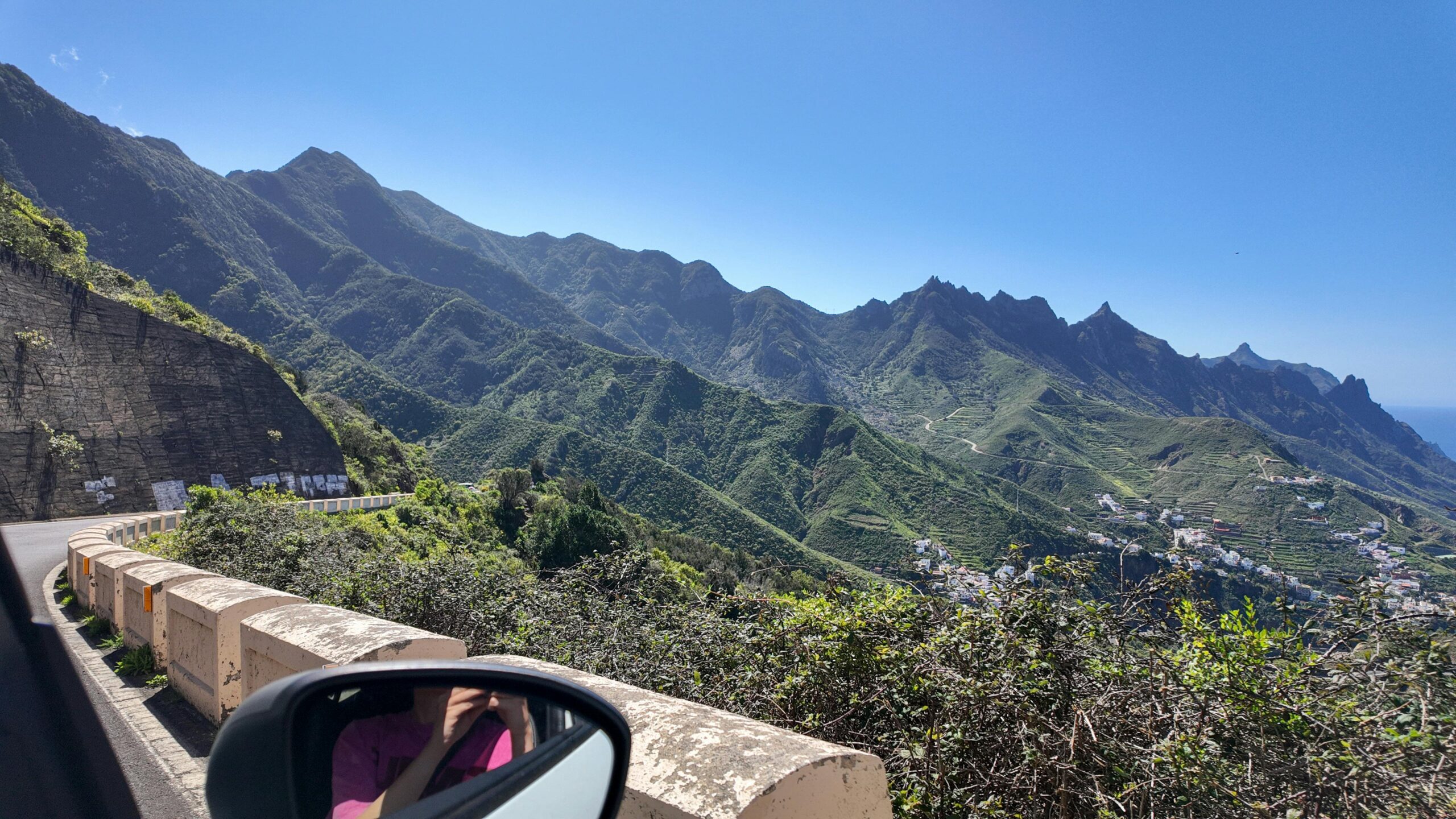
Adventure Travel: Exploring the World Beyond Comfort Zones
Introduction
Have you ever found yourself at the brink of something breathtaking—a mountain peak, a rushing river, or an unfamiliar city—and felt an electrifying sense of being truly alive? That’s the essence of adventure travel. It goes beyond just checking off tourist attractions or lounging poolside; it’s about venturing beyond your comfort zone, discovering your true potential, and gathering memories that no photograph can fully encapsulate.
Adventure travel is more than just a trip; it’s a call to embrace action—an opportunity to challenge yourself, welcome the unexpected, and reconnect with the world in its most authentic and stunning form. Whether you’re climbing majestic mountains, diving into vibrant underwater worlds, or traversing untouched terrains, the journey offers a unique mix of thrill, exploration, and personal growth.
Whether you’re new to adventure or a seasoned explorer, this guide will provide you with all the essential information about adventure travel—its meaning, significance, ideal destinations, and tips for making the most of your experiences.
What Is Adventure Travel?
Adventure travel is a kind of tourism that goes far beyond normal sightseeing. It involves physically engaging, emotionally stimulating, and often culturally immersive experiences in destinations that push travelers out of their everyday comfort zones.
Unlike resort vacations or guided city tours, adventure travel demands something from you — it demands your energy, your courage, and your curiosity. It can look like trekking through a dense rainforest, diving into the open ocean, cycling across a mountain pass, or spending the night in a remote village with no electricity.
The Adventure Travel Trade Association defines adventure travel as tourism that combines at least two of three elements: physical activity, natural environment, and cultural immersion. By that definition, it’s one of the fastest-growing segments of global tourism — and for good reason.
Common Types of Adventure Travel
Adventure travel comes in many forms, suited to different interests and fitness levels:
- Land-based adventures – Trekking, mountaineering, mountain biking, rock climbing, overland safaris, and desert expeditions.
- Water-based adventures – Scuba diving, white-water rafting, surfing, kayaking, snorkeling, and open-water swimming.
- Air-based adventures – Paragliding, skydiving, hot-air ballooning, wingsuit flying, and bungee jumping.
- Wildlife expeditions – Safari tours, jungle treks, whale watching, and marine wildlife encounters.
- Cultural adventures – Visiting remote indigenous communities, volunteering abroad, and exploring ancient ruins on foot.
No matter your fitness level or budget, there is a form of adventure travel designed for you to explore.
Why Choose Adventure Travel?
Most people are already used to spending their annual leave the same way — just beaches, buffets, and Instagram-worthy sunsets. There’s nothing wrong with that. But if you’ve ever returned from a vacation feeling like you didn’t really go anywhere, adventure travel might be exactly what you’re looking for.
Here’s why millions of travelers are choosing adventure over comfort:
1. Personal Growth and Confidence
There is no growth in the comfort zone. When you complete a challenging hike, navigate an unfamiliar city solo, or try a water sport for the first time, you prove something to yourself. Adventure travel creates moments of self-discovery that everyday routines simply cannot provide.
Psychologists have long linked novel, challenging experiences to improved self-efficacy — your belief in your own ability to succeed. Every summit reached, every fear faced, adds a brick to that foundation.
2. Physical Fitness and Health Benefits
Adventure activities offer some of the best workouts possible. For instance, a multi-day trek can help you burn thousands of calories while boosting your cardiovascular health, building muscle strength, and enhancing endurance. Similarly, water sports like kayaking and surfing engage your entire body in a unique way that traditional gym workouts often can’t match.
The greatest advantage? You’re having so much fun that you hardly notice the hard work you’re putting in!
3. Mental Well-being and Stress Relief
Nature has a measurable effect on the human brain. Studies have shown that time spent outdoors reduces cortisol levels (the stress hormone), lowers blood pressure, and improves mood. Pair that with the satisfaction of completing a physical challenge, and you have a powerful remedy for burnout and anxiety.
Many adventure travelers report that a single trip can shift their perspective in ways that months of therapy couldn’t quite reach. There’s something about standing in the raw wilderness that reminds you what actually matters.
4. Cultural Awareness and Empathy
Adventure travel takes you off the beaten path — and that’s where real culture lives. Remote treks pass through villages where locals still live by centuries-old traditions. Jungle expeditions bring you face-to-face with communities that have a completely different relationship with their environment.
These encounters build empathy, challenge assumptions, and leave you with a broader, more humble understanding of the world.
5. Unforgettable Stories Worth Telling
Ask any adventure traveler about their trips, and you won’t hear about the hotel buffet. You’ll hear about the time they nearly capsized on the rapids, saw a jaguar at dawn, or summited a peak in a snowstorm. Adventure travel creates the kind of memories that don’t fade — and stories that actually hold people’s attention at dinner parties.
Top Adventure Travel Destinations Around the World
The world is full of extraordinary places built for exploration. Here are six of the best adventure travel destinations, each offering a unique experience:
1. Patagonia, Argentina & Chile
Patagonia is one of the most spectacular wilderness areas on earth. Straddling the southern tip of South America, it offers towering granite peaks, ancient glaciers, turquoise lakes, and vast open steppe. Torres del Paine National Park, in Chilean Patagonia, is widely regarded as one of the best trekking destinations in the world.
The iconic “W Trek” takes hikers through some of the most jaw-dropping terrain imaginable over four to five days. Wildlife sightings — condors, guanacos, pumas — are common. The remoteness of the region makes it feel genuinely wild in a way few places still do.
Best for: Multi-day trekking, wildlife watching, photography Best time to visit: November to March (Southern Hemisphere summer)
2. Costa Rica
Small in size but extraordinary in biodiversity, Costa Rica has built a global reputation as an adventure travel paradise. The country is home to active volcanoes, cloud forests, Pacific surf breaks, and some of the most biodiverse rainforest on the planet.
Zip-lining through the Monteverde Cloud Forest, white-water rafting on the Pacuare River, and hiking around Arenal Volcano are just a few of the highlights. Costa Rica is also a leader in sustainable tourism — more on that below.
Best for: Zip-lining, rafting, volcano hiking, wildlife tours Best time to visit: December to April (dry season)
3. New Zealand
New Zealand practically invented modern adventure tourism. Bungee jumping was commercialized here. Skydiving, heli-skiing, glacier hiking, jet boating — all world-class. The scenery, from Fiordland’s dramatic fjords to the volcanic central plateau, provides a backdrop that makes every activity feel cinematic.
Queenstown, on the South Island, is often called the “adventure capital of the world” and earns that title every single day.
Best for: Bungee jumping, skydiving, glacier hikes, mountain biking Best time to visit: December to February (summer)
4. Nepal
Home to eight of the world’s fourteen highest peaks — including Mount Everest — Nepal offers some of the most legendary high-altitude experiences anywhere on earth. The Everest Base Camp Trek and the Annapurna Circuit are bucket-list journeys that draw hikers from every corner of the globe.
But Nepal isn’t only for elite mountaineers. Lower-altitude treks through rolling hills, ancient villages, and Buddhist monasteries are accessible to most fit travelers. For detailed trekking routes, permits, and seasonal advice, the Nepal Tourism Board is an excellent starting resource.
Best for: High-altitude trekking, mountaineering, cultural immersion Best time to visit: March to May and September to November
5. South Africa
South Africa delivers adventure at every turn. The ocean off the Cape offers world-class shark cage diving. The bush in Kruger National Park is home to the Big Five. The Drakensberg Mountains have trails that rival anything in Europe. And Cape Town provides a vibrant urban culture as a counterpoint to all that wilderness.
For travelers who want variety — wildlife, ocean, mountains, and city — South Africa is almost unbeatable.
Best for: Safari, shark diving, whale watching, mountain hiking Best time to visit: May to September (dry season, best for game viewing)
6. Iceland
Iceland’s dramatic, otherworldly landscape feels purpose-built for adventure. Visitors can explore ice caves inside glaciers, hike across active volcanic lava fields, snorkel between the tectonic plates of North America and Eurasia in the crystal-clear Silfra fissure, and chase the Northern Lights across the Arctic sky.
Iceland is also surprisingly accessible — well-maintained roads and strong tourism infrastructure mean you can have genuinely wild experiences without expert-level expedition planning.
Best for: Ice caves, volcano hikes, Northern Lights, snorkeling Best time to visit: June to August (midnight sun); November to February (Northern Lights)
Essential Tips for First-Time Adventure Travelers
Preparation makes the difference between a dream trip and a dangerous one. Keep these in mind before you go:
Plan thoroughly. Research your destination’s weather patterns, permit requirements, and local regulations well in advance. Many popular trekking routes require advance booking, especially during peak season.
Pack smart, not heavy. Bring appropriate gear for your activity: sturdy hiking boots, moisture-wicking layers, sun protection, a quality rain jacket, and a basic first aid kit. A heavy bag is the enemy of endurance.
Prioritize safety above all else. Use certified, professionally licensed guides for technical activities like mountaineering, whitewater rafting, or deep-sea diving. Always inform someone — a friend, a hotel, a park ranger — of your planned route and expected return time.
Respect the environment and local cultures. Follow Leave No Trace principles: carry out your waste, stay on designated trails, and avoid disturbing wildlife. Take time to understand local customs before you arrive.
Build your fitness before you go. Start training at least eight to twelve weeks before your trip — cardio, strength work, and activity-specific preparation like weighted hikes for trekking trips.
Get proper travel insurance. Standard policies often exclude adventure activities. Look for one that explicitly covers what you’re planning, including medical evacuation if you’re heading somewhere remote.
The Importance of Sustainable Adventure Travel
Adventure travel takes us into some of the most pristine and fragile environments on earth. That privilege comes with responsibility.
Sustainable adventure travel means choosing operators genuinely committed to environmental conservation and fair treatment of local communities — not just those using it as a marketing buzzword. Look for operators certified by recognized bodies such as the Global Sustainable Tourism Council (GSTC).
Spend locally. Eat at locally owned restaurants, stay in locally run guesthouses, and hire local guides. The economic benefit should flow to the communities whose land and culture you’re visiting.
Minimize your footprint. Stick to established trails. Don’t remove plants, shells, or rocks. Keep noise down in wildlife areas. These small choices add up to a meaningful difference across millions of visitors each year.
Adventure travel has the power to fund conservation, support livelihoods, and build cross-cultural understanding. Done well, it can leave a destination better than you found it.
Conclusion
Adventure travel is one of the best ways to explore the world. It pushes your limits, helps you grow, and shows you just how amazing and diverse our planet can be.
You don’t have to be a top athlete or a thrill-seeker to join in. All you need is a desire to step out of your comfort zone, some basic preparation, and a willingness to embrace new experiences. The trails, rivers, mountains, and oceans are waiting for you, and discovering a new side of yourself out there is truly rewarding.
So, start making plans, pack your bags, and get ready to uncover your adventurous spirit!