Exploring Green Energy Jobs in Africa: The Future of Sustainable Employment (2026)
Introduction
Africa, the second-largest continent in the world, is renowned for its diverse cultural heritage, expansive landscapes, and rich natural resources. However, there’s a remarkable shift occurring across the continent that goes beyond these well-known attributes. Africa is reimagining its approach to energy production and workforce employment.
The emergence of green energy is proving to be a transformative force. It not only fights against energy poverty but also helps minimize carbon emissions while creating sustainable job opportunities from Cairo to Cape Town. This green energy movement offers an exciting and hopeful outlook for Africa’s economy and its environment. In this article, we’ll delve into the growing green energy job market across the continent and explore the implications for Africa’s future.
What Is Green Energy?
Green energy is derived from renewable sources that naturally replenish themselves, resulting in minimal environmental impact. unlike to fossil fuels like coal, oil, and natural gas, green energy is characterized by its cleanliness, sustainability, and growing affordability.
Common forms of green energy include:
- Solar Power — Harnessing energy from the sun using photovoltaic cells and solar thermal systems.
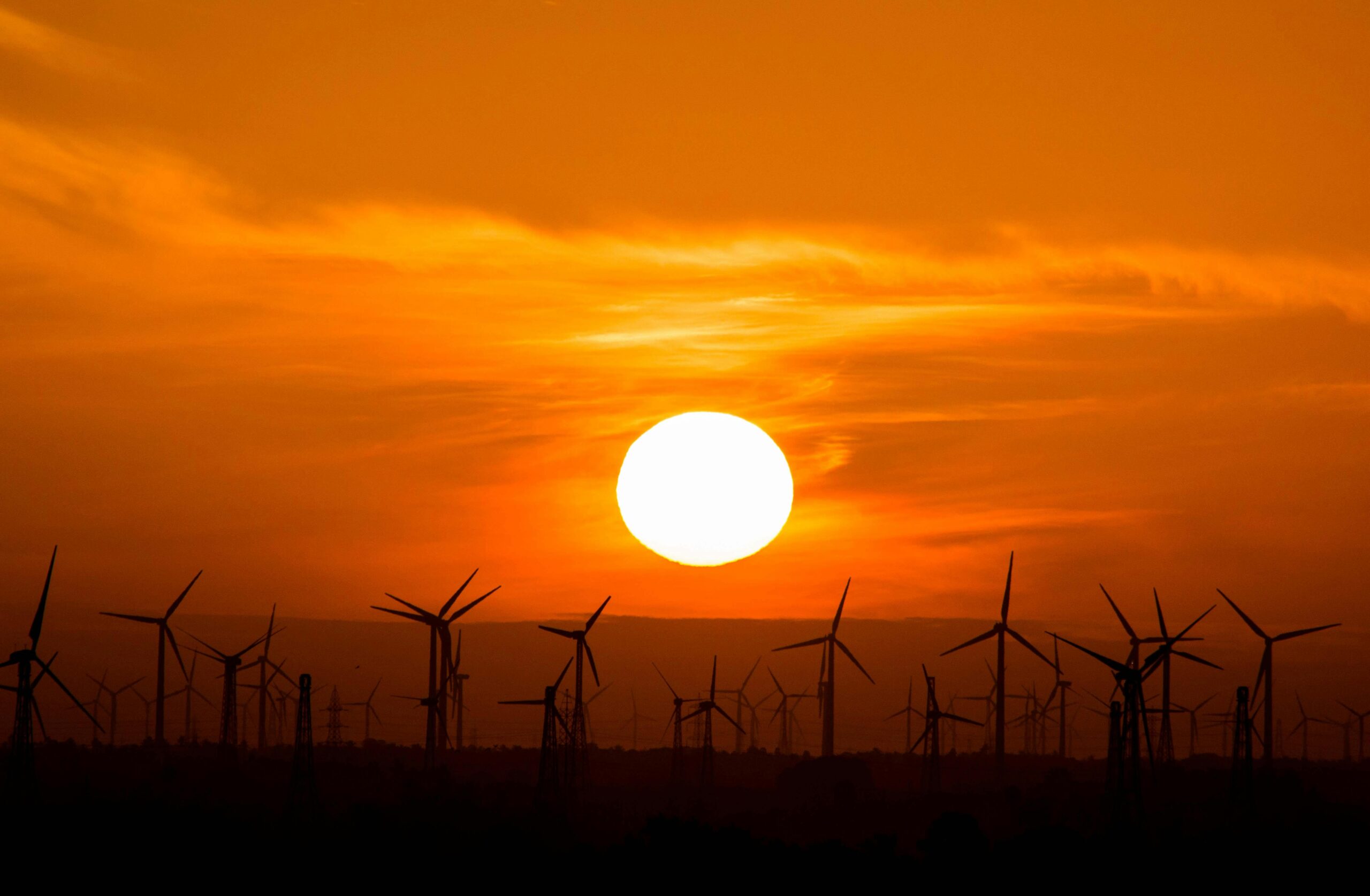
- Wind Power — Capturing wind energy using turbines to generate electricity.
- Hydropower — Using flowing water to generate electricity through dams or river turbines.
- Geothermal Energy — Tapping into the Earth’s internal heat to generate power.
- Biomass Energy — Converting organic materials such as agricultural waste into usable energy.
The shift toward green energy is gaining momentum globally. It is happening not only in wealthy nations but across emerging economies too. Africa, with its extraordinary natural resources, sits right at the heart of that shift.
For a broader look at where global renewable energy is headed, the International Renewable Energy Agency (IRENA) publishes detailed annual reports on energy transition trends worldwide.
Green Energy in Africa: A Promising Landscape
Africa holds some of the most abundant renewable energy resources on the planet. The continent receives more sunlight per square meter than almost anywhere else on earth. It has vast open landscapes suited for wind farms. It also has major river systems with enormous hydropower potential. Geothermal reserves — particularly in East Africa — remain largely untapped.
Despite these advantages, millions of Africans still lack reliable, affordable electricity. According to the International Energy Agency (IEA), more than 600 million people across sub-Saharan Africa currently live without electricity. Renewable energy is uniquely positioned to solve that problem.
Nations like South Africa, Kenya, Morocco, and Ethiopia have already made significant strides. They are implementing large-scale renewable energy projects. These efforts go beyond generating cleaner power. They are also creating jobs, building local expertise, and driving economic growth in communities that need it most.
How Green Energy Jobs Are Transforming Africa’s Employment Landscape
Green energy has the potential to create millions of jobs across Africa over the next decade. Here is how different sectors are already shaping employment across the continent:
1. Solar Energy Jobs
Africa is one of the sunniest regions on the planet. That makes solar energy a natural fit for the continent’s energy future. Solar power projects are expanding rapidly — from large utility-scale solar farms to rooftop installations on homes and small businesses. Each new project brings fresh job opportunities.
Key roles in solar energy include installation and maintenance technicians, manufacturing workers, quality control specialists, logistics coordinators, and research and development professionals. These professionals work to improve solar technology and drive down costs.
In Kenya, off-grid solar solutions have created thousands of jobs in rural areas. Connecting these communities to a national power grid is not practical. Companies like M-KOPA have shown that solar energy can tackle energy poverty and create local employment at the same time.
2. Wind Energy Jobs
Wind power is a rapidly growing part of Africa’s energy mix. Morocco, Egypt, South Africa, and Kenya have all made major investments in wind infrastructure. Today, large wind farms dot landscapes that a decade ago ran entirely on fossil fuels.
Wind energy creates demand for turbine technicians, electrical and mechanical engineers, and project managers. Energy analysts are also needed to assess wind potential and identify the best locations for new farms.
Wind energy development does more than create direct jobs. It stimulates local economies through construction, supply chain activity, and related community services.
3. Hydropower and Biomass Energy Jobs
Hydropower has long been a cornerstone of electricity generation in Africa. It continues to play a vital role today. Countries with major river systems — such as the Democratic Republic of Congo, Ethiopia, and Zambia — are investing heavily in hydropower infrastructure. They need to meet growing energy demands in a sustainable way.
Jobs in hydropower include civil engineers who design and build dams and power plants. Operations and maintenance technicians keep facilities running efficiently. Environmental impact assessment specialists make sure projects do not harm surrounding ecosystems.
Biomass energy is gaining traction in agricultural economies like Tanzania and Zambia. Crop residues and organic waste are converted into electricity and fuel. This creates roles for plant operators, supply chain managers, and agricultural liaison workers who coordinate raw material collection from farming communities.
4. Energy Efficiency and Storage Jobs
As Africa’s renewable energy capacity grows, managing and storing that energy becomes critical. Solar and wind power are intermittent. The sun does not always shine. The wind does not always blow. Energy storage technology is essential for keeping power supplies reliable.
This growing sector creates opportunities for battery engineers who develop storage systems. Energy auditors help businesses and households cut consumption. Smart grid technicians install and maintain advanced electricity management infrastructure. Energy efficiency consulting is also expanding as governments and businesses seek to reduce costs and carbon footprints together.
5. Policy, Advocacy, and Education
Not all green energy jobs involve working outdoors or in a laboratory. As the sector expands, demand is growing for professionals in policy, advocacy, research, and education.
Policy analysts help governments craft legislation and incentive frameworks. These frameworks attract renewable energy investment. They also ensure fair access to clean electricity for all citizens. Environmental advocates raise public awareness and push for stronger sustainability commitments. Green energy educators train the next generation of African professionals in universities, vocational centres, and community programmes.
Why Green Energy Jobs Matter for Africa’s Future
The importance of green energy employment goes well beyond individual jobs. Here is why this sector matters deeply for Africa’s long-term development:
Job creation at scale. Africa has the fastest-growing youth population in the world. Green energy offers a real pathway to employment for millions of young people entering the workforce. Opportunities exist in both cities and rural communities.
Environmental sustainability. Moving to renewable energy cuts Africa’s carbon emissions. It helps the continent meet its commitments under the Paris Agreement. Green jobs make it possible to achieve environmental goals without slowing economic growth.
Energy access for all. Off-grid solar can bring electricity to remote communities that national grids will never reach. Electricity changes lives. It opens economic opportunities that were previously out of reach.
Economic diversification. Many African economies depend heavily on fossil fuel revenues. That creates vulnerability when global commodity prices fall. Investing in renewable energy builds more stable, diversified economies for the long term.
Conclusion
Green energy jobs in Africa are no longer just a concept; they are becoming a reality. In rural Kenya, solar technicians are making significant contributions, while wind farm engineers are actively engaged in projects in Morocco. Ethiopia has hydropower operators on the ground, and in Tanzania, biomass plant managers are successfully overseeing their facilities. The renewable energy sector is already transforming how Africa operates and how it generates power.
The road ahead requires sustained investment. Both governments and the private sector, alongside international partners, have crucial roles to fulfill. Strategic investment in infrastructure, education, and effective policy will significantly influence the pace of this transformation.
Africa is well-positioned to spearhead the global green energy transition. The continent possesses abundant natural resources, skilled human capital, and an increasing determination to take action. The green energy revolution is not only lighting up homes and businesses—it’s also paving the way for brighter futures.
Are you currently part of the renewable energy sector in Africa, or are you considering entering it? We invite you to share your thoughts and experiences in the comments below.