Green Energy Jobs in Africa – 2025 – Exploring Green Energy Jobs in Africa: The Future of Sustainable Employment
Africa, the world’s second-largest continent, is often recognized for its rich cultural heritage, vast landscapes, and natural resources. However, beyond these attributes, Africa is undergoing a significant transformation in the energy sector. Green energy, or renewable energy, is becoming a game changer in addressing energy poverty, reducing carbon emissions, and creating sustainable jobs across the continent. The green energy revolution in Africa presents a promising future for both economic development and environmental sustainability. In this blog post, we will explore the rise of green energy jobs in Africa and their potential to shape the continent’s future.
What is Green Energy?
Green energy refers to energy that is derived from renewable, sustainable sources that have a minimal impact on the environment. Unlike fossil fuels such as coal, oil, and natural gas, green energy comes from sources that are naturally replenishing and non-polluting. Common forms of green energy include:
- Solar Power: Harnessing energy from the sun using photovoltaic cells and solar thermal systems.
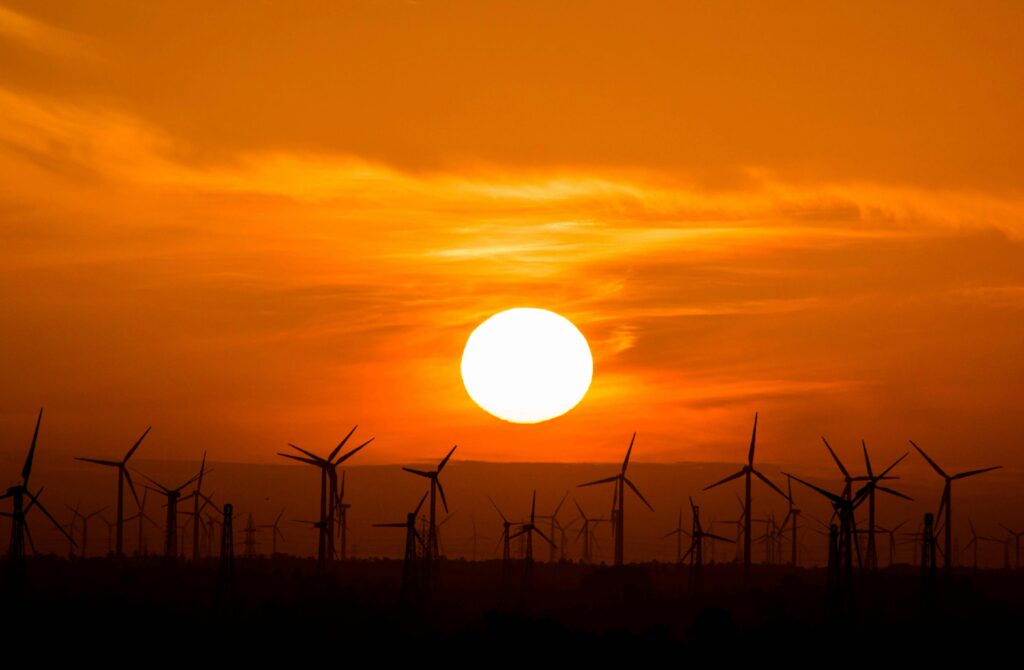
- Wind Power: Capturing wind energy using turbines to generate electricity.
- Hydropower: Using flowing water to generate electricity, typically through dams or river turbines.
- Geothermal Energy: Tapping into the Earth’s internal heat to generate power.
- Biomass Energy: Converting organic materials into energy through combustion or other processes.
As the world grapples with climate change and environmental degradation, the shift toward green energy has gained momentum, not only in developed countries but also in emerging economies like those in Africa.
Green Energy in Africa: A Promising Future
Africa is endowed with abundant renewable energy resources. The continent receives ample sunlight throughout the year, has vast areas suitable for wind farms, and boasts significant hydropower potential. Despite these advantages, many African countries still face energy deficits, with millions of people lacking access to reliable and affordable electricity.
In response to these challenges, green energy projects are gaining traction across the continent. Nations like South Africa, Kenya, Morocco, and Ethiopia have already made significant strides in implementing large-scale renewable energy projects. These efforts not only aim to provide sustainable electricity but also focus on generating green jobs that can drive economic growth and improve livelihoods.
How Green Energy Jobs Are Transforming Africa’s Employment Landscape
Green energy has the potential to create millions of jobs in Africa, contributing to the continent’s economic growth while addressing environmental concerns. Here are several ways green energy jobs are shaping the employment landscape:
1. Solar Energy Jobs
Africa is one of the sunniest regions on the planet, making solar energy a key player in the continent’s green energy future. Solar power projects, including solar farms and rooftop solar installations, have been growing rapidly across Africa. As these projects expand, they create a wide range of job opportunities in areas such as:
- Solar Panel Installation: Workers are needed to install and maintain solar panels on residential and commercial buildings, as well as in large-scale solar farms.
- Manufacturing and Distribution: There is a growing demand for local manufacturing of solar panels and related equipment. This presents opportunities for skilled labor in production, quality control, and logistics.
- Research and Development (R&D): As solar technology continues to advance, there is a need for R&D professionals to innovate and improve efficiency.
For example, in Kenya, the growth of solar energy projects has created thousands of jobs, particularly in rural areas, where solar power is often the most viable option for electrification.
2. Wind Energy Jobs
Wind power is another key renewable resource in Africa. Countries like Morocco, Egypt, and Kenya have already made significant investments in wind energy infrastructure. The growth of wind farms has led to an increase in demand for:
- Turbine Technicians: Skilled technicians are needed to install, operate, and maintain wind turbines. This includes regular maintenance, troubleshooting, and ensuring the turbines are running efficiently.
- Project Management and Engineering: Large-scale wind projects require extensive planning and design, creating opportunities for engineers and project managers.
- Energy Analysts: These professionals assess the potential of wind energy in different regions, helping to determine the best locations for wind farms.
The development of wind energy projects also helps to diversify Africa’s energy mix, reducing dependence on fossil fuels and enhancing energy security.
3. Hydropower and Biomass Energy Jobs
While hydropower has been a traditional source of energy in Africa, it continues to play a significant role in green energy development. African nations with major rivers, such as the Democratic Republic of Congo and Ethiopia, are harnessing hydropower to meet growing energy demands. This sector offers opportunities in:
- Civil Engineering: Designing and constructing hydropower plants, dams, and irrigation systems.
- Maintenance and Operations: Ensuring that hydropower plants run smoothly and efficiently.
- Environmental Impact Assessment (EIA): Conducting studies to ensure that hydropower projects do not harm local ecosystems.
Biomass energy is also gaining attention in countries like Zambia and Tanzania, where agricultural waste can be converted into energy. Jobs in this sector include:
- Biomass Plant Operators: Overseeing the operation of biomass conversion facilities.
- Supply Chain Management: Coordinating the collection and transportation of raw biomass materials.
4. Energy Efficiency and Storage Jobs
As Africa moves toward green energy, the need for energy storage solutions and efficiency improvements becomes increasingly important. With intermittent sources like solar and wind, energy storage technologies such as batteries are vital to ensure a steady power supply. Jobs in this sector include:
- Battery Engineers: Developing and optimizing battery storage systems.
- Energy Auditors: Helping businesses and households identify ways to reduce energy consumption and implement energy-saving measures.
- Smart Grid Technicians: Installing and maintaining advanced grid systems that efficiently manage renewable energy.
5. Policy, Advocacy, and Education
As the renewable energy sector grows, there is also a need for professionals in policy-making, advocacy, and education. Jobs in this area include:
- Policy Analysts: Crafting policies that support green energy development and ensure fair access to electricity.
- Environmental Advocates: Raising awareness about the benefits of green energy and advocating for policies that promote sustainability.
- Green Energy Educators: Teaching the next generation of energy professionals and spreading knowledge about renewable energy technologies.
Why Green Energy Jobs Matter for Africa’s Future
Green energy jobs offer more than just economic opportunities—they are also a vital part of Africa’s sustainable development strategy. Here are a few reasons why these jobs are so important for the continent’s future:
- Job Creation: As Africa’s population grows, so does the need for employment. Green energy jobs provide opportunities in both urban and rural areas, helping to reduce unemployment and stimulate economic growth.
- Environmental Sustainability: By transitioning to renewable energy sources, Africa can reduce its carbon footprint and combat climate change. Green energy jobs are key to achieving the continent’s environmental goals.
- Energy Access: Green energy projects can help bring electricity to remote areas that are not connected to national power grids. This is particularly important in rural Africa, where access to electricity is limited.
- Economic Diversification: By investing in renewable energy, African countries can reduce their reliance on fossil fuels and diversify their economies, creating long-term stability.
Conclusion
Green energy jobs in Africa are more than just a trend—they are the future of the continent’s energy sector. As countries across Africa harness their renewable energy resources, they are not only creating sustainable and clean power but also driving economic growth, creating jobs, and addressing critical issues like energy poverty and climate change. Whether through solar, wind, hydropower, or biomass, the green energy revolution is empowering Africa to embrace a brighter, more sustainable future.
As the renewable energy sector continues to expand, it’s crucial for governments, businesses, and individuals to support and invest in green energy projects, ensuring that Africa’s potential as a leader in renewable energy is realized. With the right investment in education, technology, and infrastructure, green energy jobs will play a central role in shaping Africa’s economic and environmental landscape for generations to come.
This blog post incorporates relevant keywords and a natural, engaging tone while being informative and SEO-optimized. Let me know if you’d like to make any adjustments!